

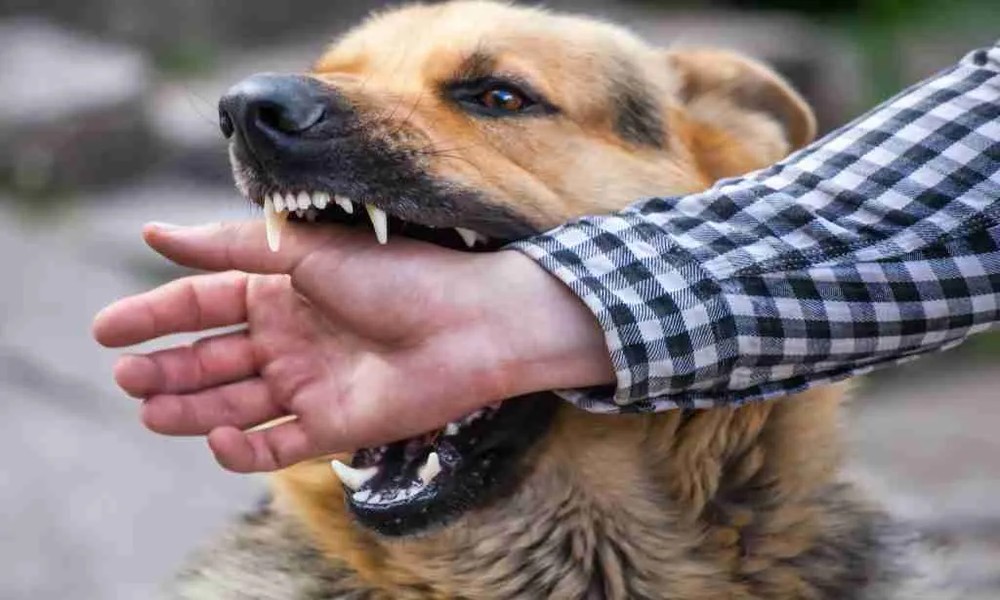
You stop to pet the friendly looking lab outside a coffee shop on Newark Avenue and the dog lunges for your face. A neighbor’s pit bull pushes through a broken gate and corners your child on the sidewalk. A friend’s golden retriever, the one everyone says has never shown aggression in nine years, draws blood from your forearm when you reach for a stuffed toy. Dog bite cases in New Jersey are some of the most factually charged personal injury matters, and the legal framework gives victims real leverage that the dog owner’s insurance carrier rarely explains up front. At The Law Offices of Anthony Carbone, we have handled dog attack cases across Hudson County since 1988, and the pattern is consistent: victims who understand the strict liability statute recover substantially more than victims who let the insurance adjuster frame the conversation.
The New Jersey Dog Bite Statute
New Jersey is one of the strict liability states for dog bites. The controlling provision, N.J.S.A. 4:19-16, is short and powerful:
The owner of any dog which shall bite a person while such person is on or in a public place, or lawfully on or in a private place, including the property of the owner of the dog, shall be liable for such damages as may be suffered by the person bitten, regardless of the former viciousness of such dog or the owner’s knowledge of such viciousness.
That last phrase is the one that changes everything. The traditional “one bite rule” that protects dog owners in some states does not exist in New Jersey. The owner cannot defend the case by saying the dog never bit anyone before and there was no reason to expect this attack.
Three elements have to be proven for strict liability to apply:
- The defendant owned the dog
- The dog bit the plaintiff
- The plaintiff was either in a public place or lawfully in a private place at the time
If all three are met, the owner is liable for the resulting damages without regard to fault.
Where the Statute Applies and Where It Does Not
The statute covers bites only. An attack that involves a dog knocking someone down, scratching them, or causing injury without a bite falls outside strict liability and proceeds under traditional common law negligence theories instead. The distinction matters because a fall caused by a charging dog requires proof that the owner knew or should have known the dog had dangerous propensities, which is a harder case to build than a strict liability bite claim.
The “lawfully on or in a private place” requirement covers a wide range of visitors:
- Social guests in the owner’s home
- Delivery drivers, mail carriers, and meter readers performing their work
- Friends and family on the property with permission
- Children visiting other children with parental knowledge
- Service providers like contractors and house cleaners
Trespassers do not get the benefit of strict liability, which becomes a recurring issue in cases involving fences, gates, and unclear property boundaries.
Where Negligence Theories Still Matter
When a bite occurs but the strict liability elements are not all clearly met, or when the harm comes from something other than a bite, common law negligence theories step in. The plaintiff in those cases has to prove the owner knew or should have known of the dog’s dangerous propensities and failed to take reasonable precautions. Prior incidents, breed history, training issues, and warnings from neighbors all become relevant evidence.
The Defenses Insurance Carriers Run First
Even with strict liability on the books, insurance carriers defend dog bite cases aggressively. The defenses that show up most often:
Provocation. The carrier argues the bite happened because the victim provoked the dog. Provocation is a recognized defense, but the standard is meaningful conduct, not normal interaction. Patting a dog on the head, walking past it on the sidewalk, or making eye contact does not constitute provocation. A bite during deliberate teasing, hitting the dog, or interfering with a dog protecting its food might. The factual question is for the jury.
Trespass. If the victim was on the property without permission, the strict liability statute does not apply. Carriers expand this defense to include claims that the victim was on a portion of the property where they had not been invited, even if generally welcome elsewhere.
Comparative negligence. New Jersey applies modified comparative negligence, and the carrier may argue the victim’s conduct contributed to the attack. A reduction in damages is possible, but the contribution has to be proven, not assumed.
Assumption of risk for dog professionals. Veterinarians, groomers, dog walkers, and similar professionals who knowingly accept the risk of working with unfamiliar dogs may face a defense that strict liability does not apply to them. The Reynolds v. Hicks line of cases addresses this issue, and the outcome depends on the specific facts.
Owner identity disputes. The carrier may dispute that the named defendant was actually the dog’s owner, particularly when multiple household members or a landlord are involved. New Jersey defines ownership broadly to include anyone who keeps or harbors the dog, which often pulls in defendants the carrier prefers to keep out of the case.
The Insurance Picture in Dog Bite Cases
Most dog bite cases are paid through the owner’s homeowner’s or renter’s insurance policy. Personal liability coverage of $100,000 to $500,000 is typical in standard policies, with umbrella coverage available for owners who purchased it.
The coverage question gets complicated in a few common scenarios:
- Renters whose lease prohibits dogs may find the carrier denying coverage
- Owners of breeds excluded by the policy face dog-specific exclusions
- Landlords are generally not liable for tenant dogs unless the landlord knew of dangerous propensities and had control
- Commercial properties carry separate general liability coverage that may apply
Identifying every applicable policy is part of the early case work, because the named owner’s homeowner’s policy is sometimes only one of multiple sources of recovery.
What to Do After a Dog Bite
The first 48 hours shape the case substantially:
- Get medical attention immediately, including evaluation for infection risk and rabies exposure
- Photograph the wounds before and during treatment
- Identify the dog and the owner, including the dog’s vaccination status
- Report the incident to the local health department and animal control
- Locate any witnesses who saw the attack
- Preserve clothing and any other physical evidence
- Decline to give recorded statements to the owner’s insurance carrier until you have spoken with an attorney
Animal control reports become important evidence. Hudson County municipalities investigate reported bites and quarantine the dog when appropriate, and those records often contain admissions, prior incident history, and details about the dog’s behavior.
Damages in Dog Bite Cases
Bite injuries produce damages across multiple categories. The face and hand bites that occur most often in attacks on children frequently result in permanent scarring, which by itself supports significant pain and suffering recovery. Other damages include:
- Past and future medical expenses, including plastic surgery and reconstruction
- Lost wages and diminished earning capacity
- Psychological injuries, particularly post-traumatic stress disorder in children
- Permanent disfigurement and scarring
- Loss of enjoyment of activities the victim can no longer participate in
Children who suffer facial bites often need multiple revision surgeries through adolescence, and the future medical care component of these cases is substantial.
How The Law Offices of Anthony Carbone Handles These Cases
The firm’s approach to a dog bite case includes:
- Prompt investigation of the attack scene and the dog’s history
- Obtaining animal control records, prior bite reports, and any breed-specific documentation
- Identifying every potential defendant, including owners, harborers, and in appropriate cases, landlords
- Reviewing the available insurance coverage across all involved parties
- Coordinating with treating physicians, plastic surgeons, and mental health professionals on damages
- Preparing for the provocation and trespass defenses that carriers routinely raise
The firm’s practice area pages and blog coverage include additional background on premises liability and personal injury topics. The full text of N.J.S.A. 4:19-16 is available through the New Jersey Legislature website at njleg.state.nj.us.
A dog bite in New Jersey is not a he-said-she-said situation under the law. The strict liability statute gives victims a direct path to recovery, and the defenses the carrier raises can almost always be addressed with proper investigation and documentation. The Law Offices of Anthony Carbone offers a free consultation to evaluate the attack, the owner’s coverage, and the full scope of your damages. Call 201-963-6000 before the carrier closes a file you have stronger legal grounds to keep open.